
HEALING CHILDREN HOLISTICALLY
Pediatric AcuTherapy (Shonishin)
Gentle, Needle-Free Support for Children
Bumblebee AcuTherapy offers Pediatric AcuTherapy (Shonishin)—a needle-free form of pediatric acupuncture designed to gently support children’s digestion, sleep, emotional balance, and nervous system regulation.
Sessions are quick, calming, and adapted to each child’s comfort, making this a safe and soothing option for babies, toddlers, and children.
What Is Pediatric AcuTherapy (Shonishin)?
Traditional Japanese AcuTherapy, also known as Shonishin, is a gentle, non-invasive therapy created specifically for children. Unlike regular acupuncture, no needles are used.
Instead, special tools are lightly applied to the surface of the skin to stimulate the body’s energetic pathways—known as Ki (Qi). This gentle surface stimulation helps:
- Support healthy circulation
- Calm the nervous system
- Encourage relaxation and balance
- Support the body’s natural healing response
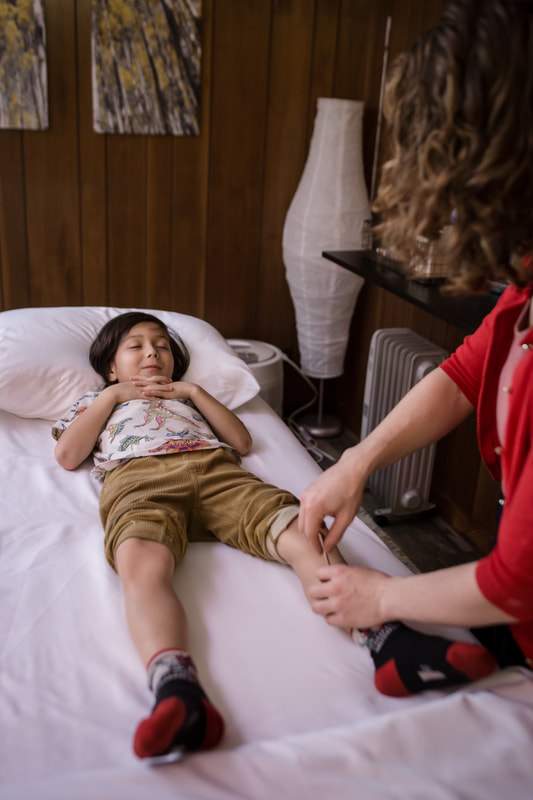
Treatments are typically 5–15 minutes, depending on the child’s age, and most children find them relaxing or even enjoyable.
Why Shonishin Is Different from Acupuncture
Shonishin differs from adult acupuncture because it focuses on:
- Needle-free techniques
- Gentle surface stimulation
- Short treatment times
- Comfort-first care
- Child-friendly tools and methods
This makes Pediatric AcuTherapy an excellent option for children who are sensitive, anxious, or too young for traditional acupuncture.
What Pediatric AcuTherapy May Help Support
Pediatric AcuTherapy is often used to support common childhood concerns in a gentle, holistic way.
Digestive Support
- Stomach aches
- Constipation
- Diarrhea
- Acid reflux
Sleep Support
- Difficulty falling asleep
- Night terrors
- Restless sleep
Emotional & Behavioral Regulation
- ADHD/ADD
- Autism related symptoms
- Emotional outbursts
- Sensitivity or overwhelm
- Difficulty calming down
Immune & Wellness Support
- Frequent colds
- General immune system support
Developmental & Daily Transitions
- Potty training
- Bedwetting
And other common childhood concerns.
We use supportive language and do not replace medical diagnosis or pediatric care.
What Does a Pediatric AcuTherapy Session Look Like?
Sessions are designed around your child’s comfort and needs.
- A brief check-in with the parent
- Gentle use of non-invasive tools on the skin
- Your child may play, nurse, be held, or lie down
- The session lasts only a few minutes
- Simple aftercare guidance is shared if needed
Children often describe the feeling as tickly, warm, or calming.
Is Pediatric AcuTherapy Safe?
Yes. Pediatric AcuTherapy is considered safe and gentle when performed by a trained practitioner.
- No needles are used
- Tools are clean and hygienic
- Techniques are adapted to age and comfort
- Sessions are short and non-stressful
Care is always customized, and we encourage collaboration with your child’s pediatrician when appropriate.
How Many Sessions Does My Child Need?
Every child is different. Some families notice changes quickly, while others benefit from ongoing support.
- Acute concerns may need a short series
- Ongoing support may start weekly or biweekly
- Frequency is always adjusted based on your child’s response
We focus on gentle progress, not promises.
What Parents Can Do Before & After a Session
Before:
- Bring your child well-fed and comfortable
- Share any concerns or changes
After:
- Encourage rest and hydration
- Observe your child’s mood, sleep, and digestion
- Share feedback at the next visit
Our Approach to Pediatric Care
- Comfort-first, child-led sessions
- Gentle, non-invasive tools
- Supportive care alongside pediatric medicine
- Family-friendly, calm environment

Book Pediatric AcuTherapy
If you’re looking for needle-free pediatric acupuncture (Shonishin) in a calm, family-friendly setting, we’re here to support your child’s well-being.
Frequently Asked Questions
Yes. Prenatal acupuncture is supportive and works alongside medical care.
Prenatal acupuncture and moxibustion are commonly used to support repositioning when appropriate.
Yes, when performed using pregnancy-appropriate techniques.
Japanese acupuncture emphasizes palpation, subtle technique, and individualized care.
Yes. It is commonly used alongside pediatrician care.
Most sessions last between 5–15 minutes.
Yes, techniques are adapted for age and comfort.
No. Shonishin is needle-free and very gentle.
This depends on your goals. Some people notice changes quickly, while others benefit from ongoing care.
Moxibustion uses gentle heat to support balance and circulation.
Yes. Pediatric acutherapy often uses non-invasive tools and is designed for kids.
Japanese acupuncture is very gentle. Many patients feel little to no discomfort.