
TL;DR — Quick summary
Japanese acupuncture often uses light stimulation and fine needles, but sensations vary. Your first visit includes a health-history discussion, individualized assessment and ongoing feedback. Tell the practitioner about medical concerns, ask for adjustments and never endure sharp or persistent pain. Acupuncture complements appropriate medical care.
Table of contents
Japanese acupuncture can be a reassuring option if you are curious about acupuncture but nervous about needles. One of the first questions people ask us is, “Does Japanese acupuncture hurt?” The short answer is that Japanese acupuncture is often chosen specifically for its subtle, comfort-focused approach. At Bumblebee AcuTherapy in Lakewood, treatment is adjusted to the person in front of us rather than delivered as a fixed routine.
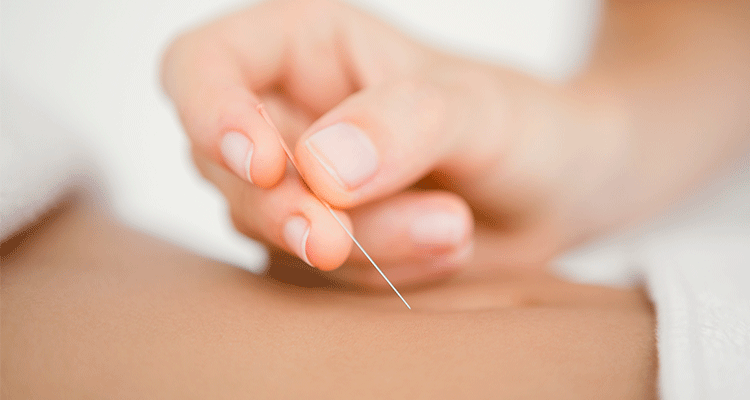
Japanese acupuncture shares historical roots with other East Asian acupuncture traditions, but it often emphasizes fine needles, lighter stimulation, careful touch-based assessment, and ongoing feedback from the patient. That does not mean every person will feel nothing. You may notice a brief pinch, pressure, warmth, heaviness, or a mild spreading sensation, but treatment should not feel like something you have to endure.
Why Japanese acupuncture may feel different
At our clinic, we commonly use one needle at a time and stay present while your body responds. This gives the practitioner room to change the location, depth, or type of stimulation as needed. A peer-reviewed study of Japanese-style acupuncture found that small differences in insertion depth and skin pressure changed the sensations participants reported, which helps explain why technique and communication matter so much during a session. Read the study on PubMed.
Comfort is also part of clinical safety. The National Center for Complementary and Integrative Health explains that relatively few complications have been reported when acupuncture is delivered appropriately, while improper technique or nonsterile needles can cause serious harm. Bumblebee practitioners follow clean-needle procedures and use sterile, single-use needles. Review the NCCIH acupuncture safety overview.
What happens at a first acupuncture appointment?
Your first visit begins with a conversation about what brought you in, relevant health history, current medical care, and what you hope to get from the session. The practitioner may then use gentle palpation of the abdomen, pulse, or other areas to decide how to shape that day’s treatment. Tell us if you are pregnant, take blood-thinning medication, have a bleeding disorder, use an implanted medical device, or have any other safety concern.
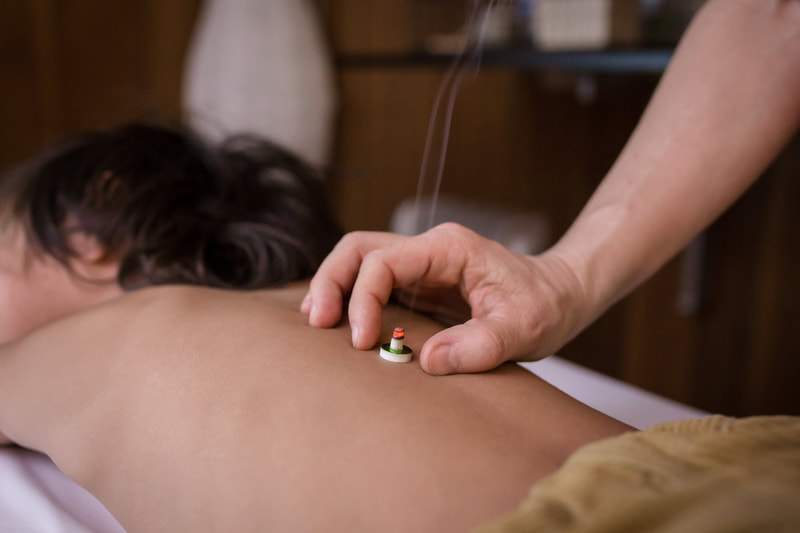
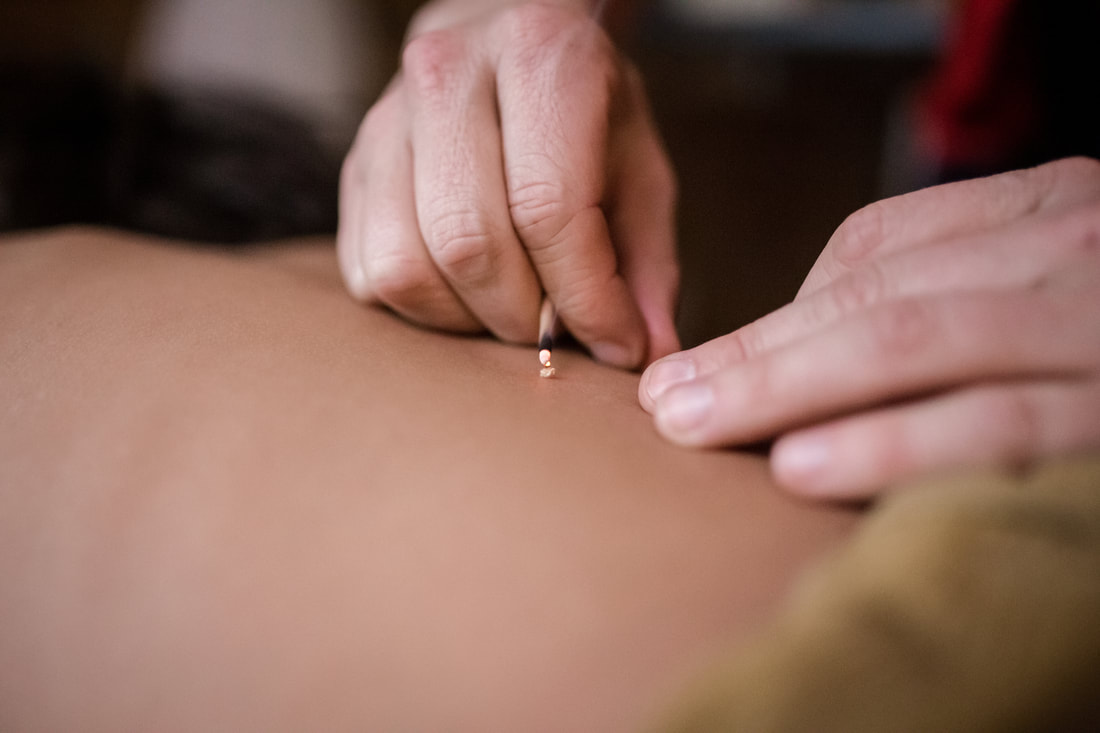
During treatment, you remain in control. You can ask what is being done, request a pause, or decline any technique. Depending on your goals, the session may include acupuncture, gentle non-insertive tools, or moxibustion, a warming technique used in many Japanese acupuncture traditions. Most adult visits last about 45 to 60 minutes.

What can you feel during and after treatment?
Some people feel deeply relaxed; others feel warm, heavy, alert, sleepy, or simply unchanged at first. Mild temporary soreness, light bruising, or a small spot of bleeding can occur. Strong or persistent pain is not the goal, and you should tell your practitioner immediately if anything feels sharp, hot, dizzying, or otherwise uncomfortable.
Afterward, notice how you feel without putting pressure on yourself to have a dramatic response. Treatment plans vary by the reason for care, how long the concern has been present, and how your body responds. We do not promise a particular result or a set number of visits. Acupuncture is supportive care and should not replace diagnosis or treatment from your physician or another qualified healthcare professional.

Questions people ask before booking
Can I receive acupuncture if I am afraid of needles?
Yes. Please mention your concern before treatment. We can explain each step, begin with very light or non-insertive techniques, and move at your pace.
What should I wear?
Loose, comfortable clothing is helpful. Depending on the treatment area, draping may be used to protect your privacy.
Should I eat before acupuncture?
A light meal or snack beforehand is usually more comfortable than arriving very hungry. Follow any medical instructions you have been given for your own health conditions.
Is Japanese acupuncture the same for everyone?
No. Palpation, conversation, and your response during the visit help guide an individualized session.
Ready for a comfort-first appointment?
If you are looking for gentle Japanese acupuncture in Lakewood, explore our adult Japanese acupuncture service or book an appointment. Bumblebee AcuTherapy is located in Lakewood and serves nearby communities including Wheat Ridge, Edgewater, west Denver, and Golden.
This article is for general education and is not medical advice. Acupuncture does not replace emergency care or evaluation by your medical team.
Plan your Japanese acupuncture visit in Lakewood
Bumblebee AcuTherapy welcomes patients at 2201 Kipling Street, Suite 205, Lakewood, CO 80215. Learn about adult Japanese acupuncture appointments and use our visit guide to plan your journey from Lakewood or nearby Wheat Ridge, Edgewater, Golden and west Denver.
For appointment questions, call Maya at 720-893-0385 or Dierdre at 720-727-7490. You can also check online appointment availability. We have one Lakewood office; references to nearby communities describe our service area, not additional locations.