TL;DR — Quick summary
Japanese acupuncture vs TCM: how palpation, needle technique and treatment style differ — and how to choose the right approach in Lakewood, CO.
Table of contents
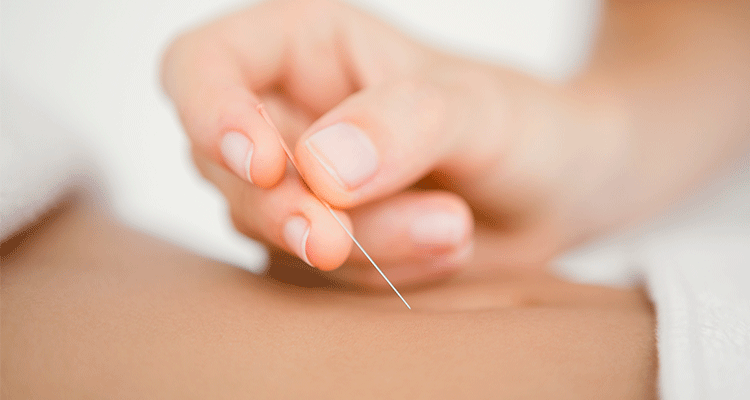
Japanese acupuncture often emphasizes careful palpation, gentle stimulation and an individualized treatment plan. It shares historical roots with Chinese acupuncture, but the way a practitioner evaluates the body, selects points and handles needles can feel different in practice.
There is no single technique used by every Japanese or Traditional Chinese Medicine (TCM) practitioner. Training, lineage and the needs of the patient all matter. This guide explains common differences without suggesting that one system is universally better than the other.

How does Japanese acupuncture differ from TCM acupuncture?
TCM is a broad system that may include acupuncture, herbal medicine and other approaches. In many modern TCM settings, the practitioner identifies a pattern from the health history, pulse and tongue, then chooses a group of acupuncture points. These practices vary, and palpation is not exclusive to Japan.
Many Japanese styles give palpation a particularly central role. The practitioner may gently examine the abdomen, channels, tender areas and changes in tissue before and during treatment. Feedback from the body can influence point selection, needle depth and whether another tool is used. Neither description is a rule for every practitioner.
Is Japanese acupuncture gentler?
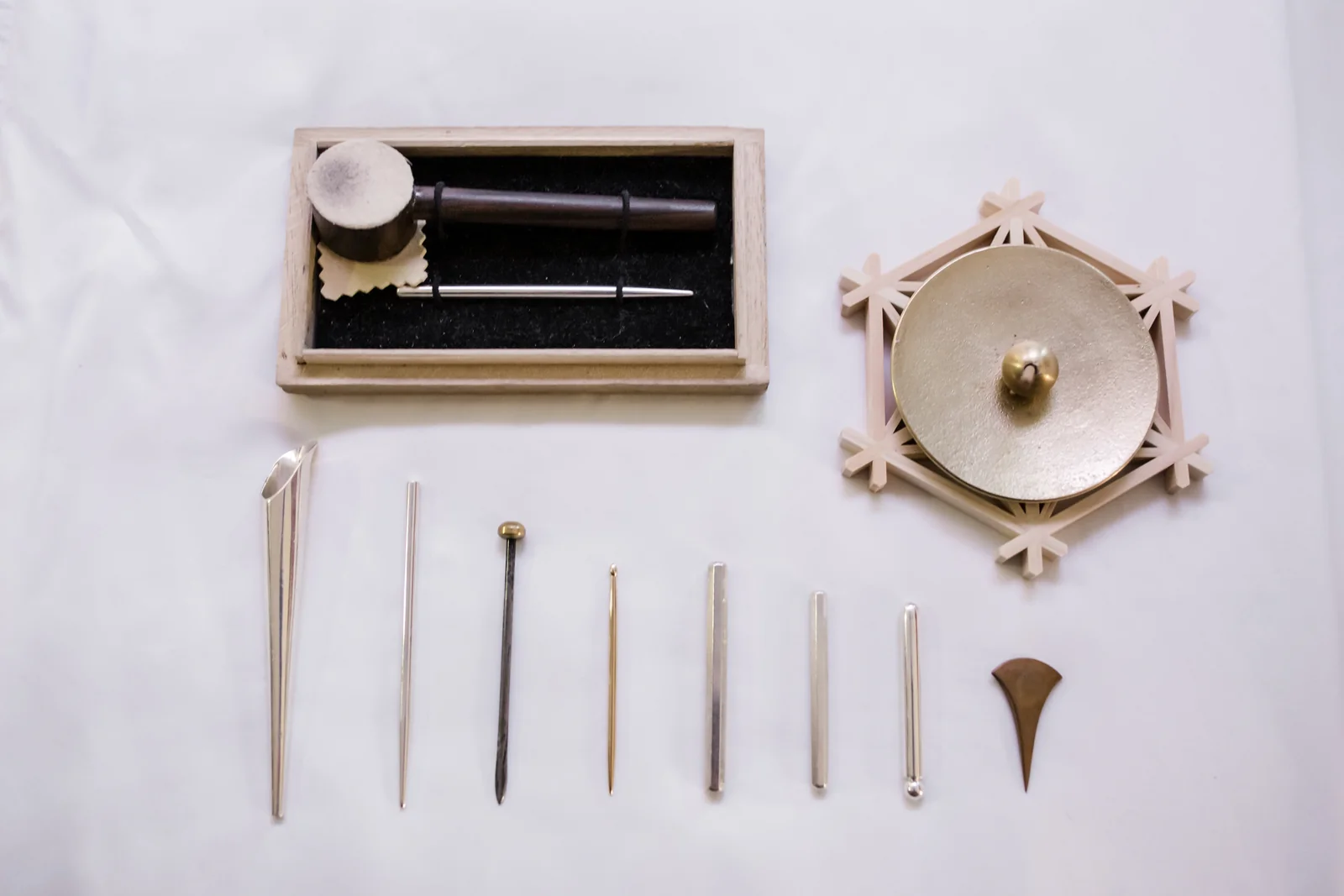
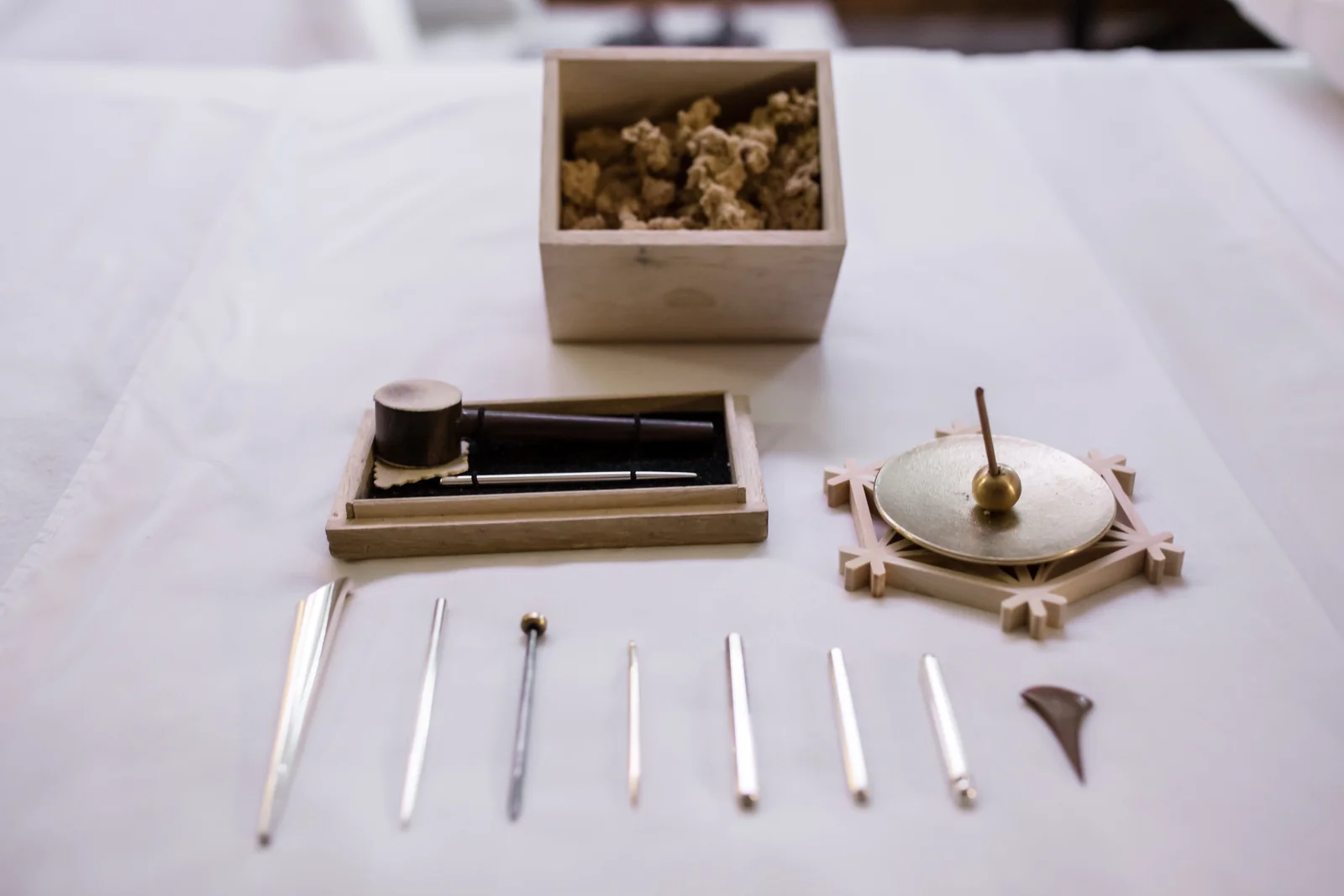
Many Japanese methods use fine needles, shallow insertion or light stimulation. Some treatments also use contact tools that touch the skin without penetrating it. That can make the style approachable for needle-sensitive adults and people who had an uncomfortable experience elsewhere.
Gentle does not mean sensation-free for every person. Pressure, warmth, heaviness or a brief pinch may occur, and the practitioner should adjust when something feels too strong. Our guide, Does Japanese Acupuncture Hurt?, explains what a first visit may feel like.
How do assessment and palpation shape treatment?
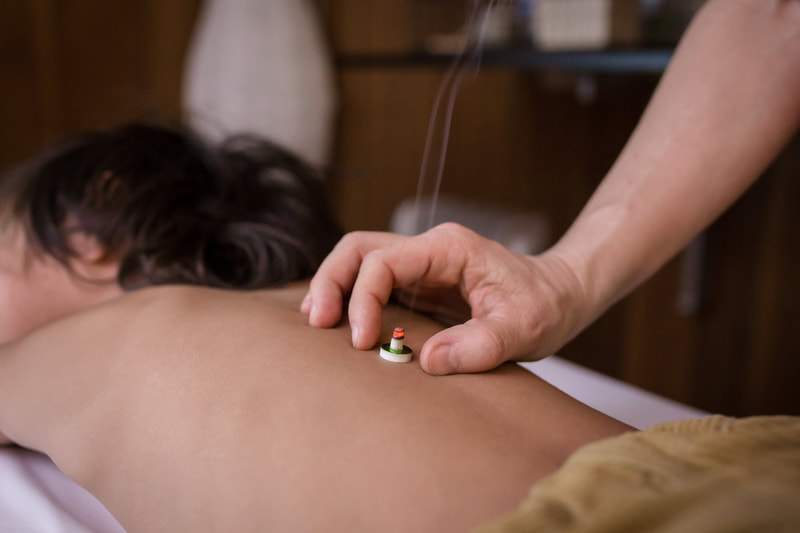
Palpation means gathering information through careful touch. A practitioner may examine the abdomen, pulse, channels, muscles or areas of tenderness before choosing points. The purpose is not simply to find the place that hurts. It is to notice patterns in texture, temperature, tension and sensitivity that inform the traditional treatment approach.
Assessment can continue after a point is stimulated. The practitioner may return to a tender area, ask what changed and decide whether to adjust treatment. This feedback helps individualize a session, but it does not replace medical examination, imaging or laboratory testing when those are needed.
Where do moxibustion and other tools fit?
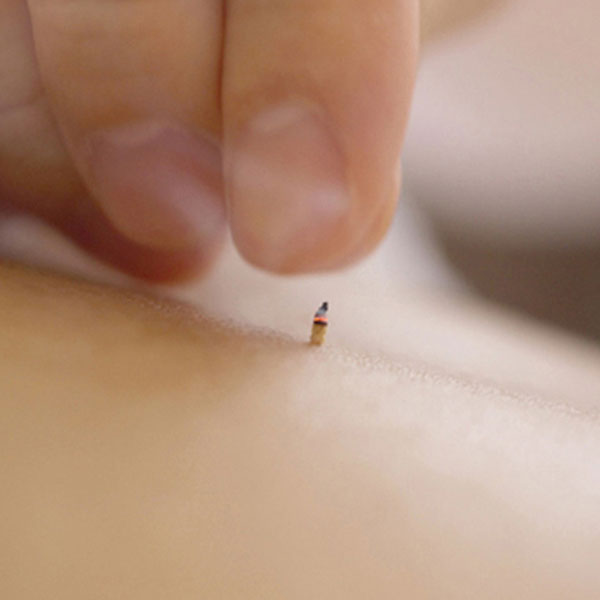
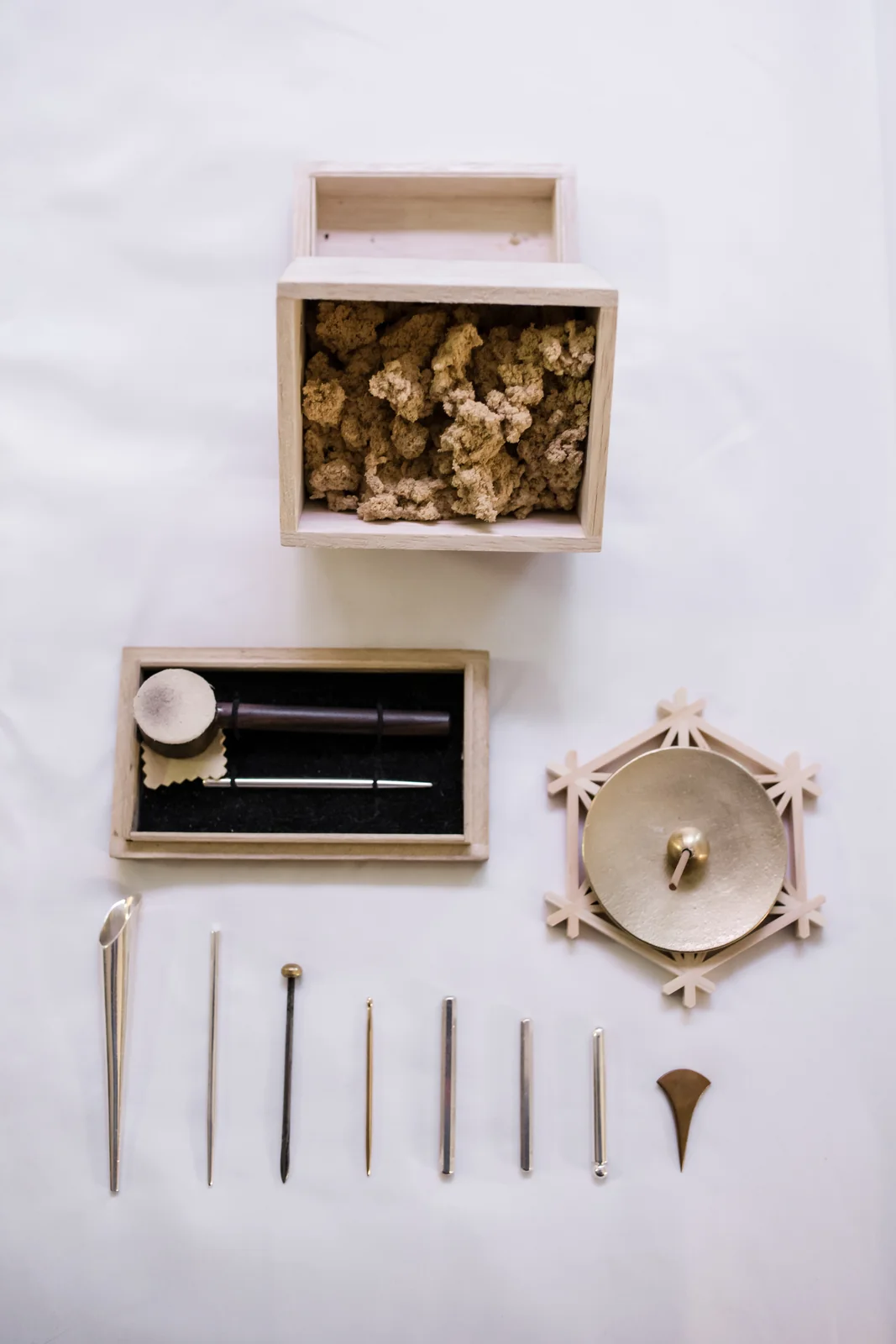
Depending on the practitioner and treatment plan, acupuncture may be combined with moxibustion or specialized contact tools. Moxibustion uses heat from processed mugwort. Heat, smoke exposure and skin sensitivity all require attention. It is not appropriate for every person and should not be copied at home without individualized instruction.
The NCCIH acupuncture effectiveness and safety overview notes that improper delivery can cause serious complications. Ask about sterile, single-use needles, relevant training and what symptoms should prompt a call after treatment. Avoid claims that a gentle technique has no risks.
What happens at a Japanese acupuncture appointment in Lakewood?
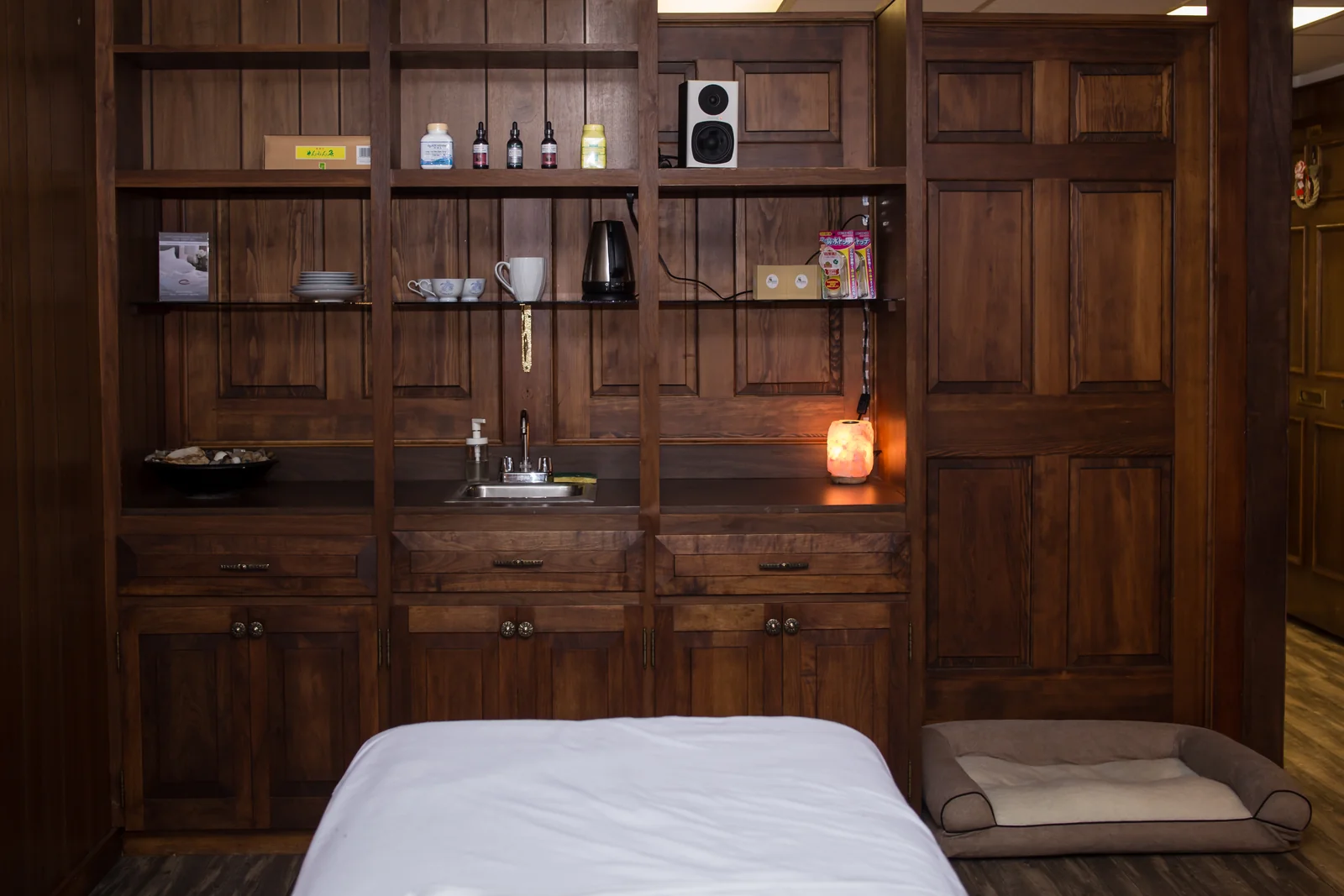
A visit begins with a conversation about your goals, health history, medications and concerns about needles or touch. The practitioner may use palpation to choose and reassess points. Treatment should be collaborative: you can ask what a tool is for, request a pause or decline a technique.
Acupuncture is complementary care, not a replacement for diagnosis or urgent treatment. Tell the practitioner about pregnancy, blood-thinning medication, bleeding disorders, implanted medical devices and recent procedures. New or worsening symptoms may need medical evaluation before an acupuncture appointment.
How should you choose between Japanese acupuncture and TCM?
Start with your reason for seeking care and the experience you want. A needle-sensitive patient may prioritize light stimulation; another person may prioritize a practitioner’s experience with a particular concern. Ask how the practitioner was trained, how risks and alternatives are explained, and how progress is assessed.
A good fit includes informed consent, respect for your comfort and clear boundaries around medical claims. Be cautious of promises of a cure, advice to abandon conventional care or recommendations for indefinite treatment without reassessment. No style can guarantee results or a fixed number of visits.
Frequently asked questions
Does every visit use needles?
No. The tools depend on the practitioner, treatment plan and your preferences. Some Japanese approaches include non-insertive contact techniques. Ask before booking if avoiding inserted needles is important to you.
Can I request lighter treatment?
Yes. Tell the practitioner about previous experiences and sensory preferences. You can change your mind or stop at any point; consent is ongoing rather than a one-time form.
How long do results take?
There is no universal timeline. Your concern, overall health and response to care affect the plan. Agree on a reasonable reassessment point before beginning a series of visits, and discuss what would count as meaningful progress.
Can Japanese acupuncture be used with medical care?
It is often used as complementary support. Keep your clinicians informed, especially during pregnancy or when managing medications and complex conditions. Do not stop prescribed treatment without discussing it with the prescriber.
Explore adult Japanese acupuncture, meet Maya Suzuki and Dierdre Mangan, or contact our Lakewood clinic. This article is general education, not medical advice.
Explore Japanese acupuncture in Lakewood
Bumblebee AcuTherapy welcomes patients at 2201 Kipling Street, Suite 205, Lakewood, CO 80215. Learn about the clinic’s adult Japanese acupuncture approach and use our visit guide to plan your journey from Lakewood or nearby Wheat Ridge, Edgewater, Golden and west Denver.
For appointment questions, call Maya at 720-893-0385 or Dierdre at 720-727-7490. You can also check online appointment availability. We have one Lakewood office; references to nearby communities describe our service area, not additional locations.